
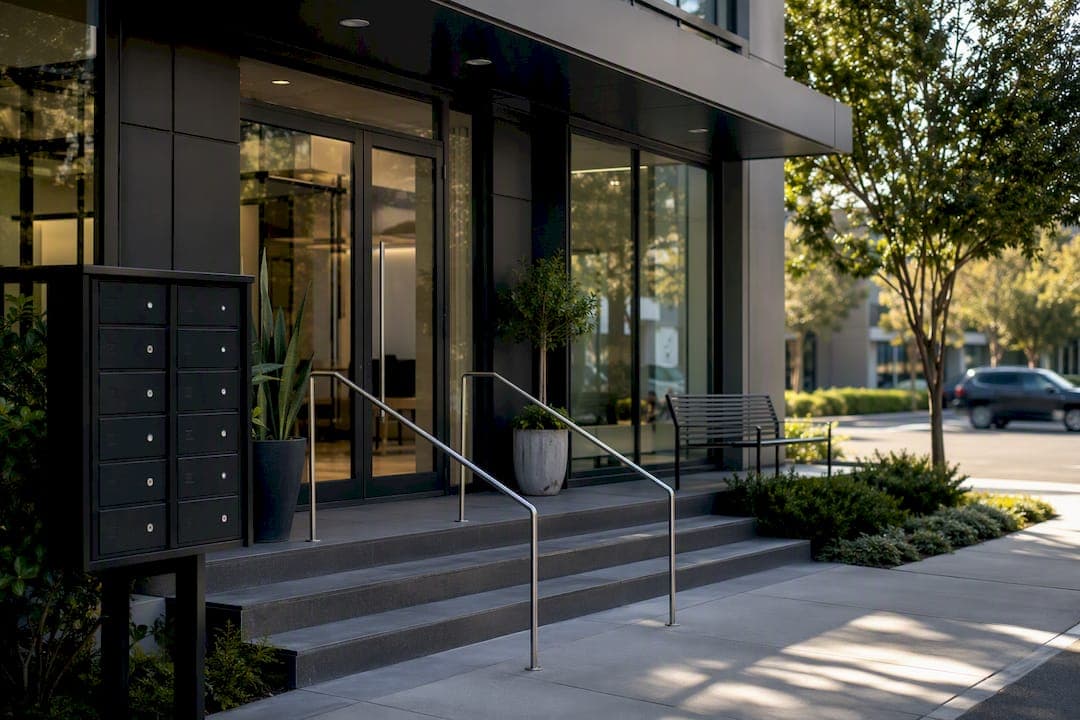
A commercial registered agent can keep your home address off public record in California, but only if you actually hire one instead of listing yourself. California law requires every LLC and corporation to name an agent for service of process with a physical street address in the state, available during normal business hours. List your own home as that address, and it becomes permanent public record the moment you file.
The trade-off is simple:
- Act as your own agent: free, but your address is searchable by anyone through bizfile Online, and you must be present at that address during business hours.
- Hire a commercial agent: typically $100 to $200 a year, and your home address never touches a public filing.
Key Takeaways
A commercial registered agent keeps your home address off California's public filings, while acting as your own agent is free but exposes that address permanently.
| Point | Details |
|---|---|
| Statutory requirement | California mandates a physical street address for your agent for service of process; no P.O. Boxes allowed. |
| Privacy exposure | Your agent's address becomes permanent public record on bizfile Online the moment you file. |
| Cost vs. privacy | Commercial agents typically cost $100 to $200 a year in exchange for keeping your address private. |
| Lapse risk | An outdated agent can trigger substituted service, default judgments, and administrative suspension. |
| LegalStepz solution | LegalStepz provides registered agent services and Statement of Information filing to keep your address private and your entity compliant. |
Table of Contents
- What Registered Agent Privacy in California Actually Protects
- What Happens When Your Registered Agent Lapses
- How to Vet a Registered Agent (Questions Worth Asking)
- How Registered Agent Services Actually Handle Your Information
- Individual Agent vs. Commercial Agent: The Real Privacy Gap
- A Decision Framework: Should You Be Your Own Agent?
- Why We Push Clients Toward Paid Agents More Than They Expect
- Keep Your Address Off Public Record With LegalStepz
- Frequently Asked Questions
- Sources
What Registered Agent Privacy in California Actually Protects
Once you file Articles of Organization or Articles of Incorporation, the agent's name and street address become part of the state's permanent record. Anyone can pull it up on the Secretary of State's bizfile Online portal for free, no subpoena, no special access required.
That's the part most new business owners miss. It's not a background check or a court filing they need to worry about. It's the guy who searches your LLC name out of curiosity, the process server who shows up at your kitchen table, or the mail-order marketer who scrapes new business filings and starts sending solicitations the week your entity forms. Home addresses used as registered agent addresses attract exactly this kind of traffic, and once the filing is public, retracting it is slow and often impossible.
There's also a personal safety dimension that doesn't get enough attention. If you run a business from home, a public filing tells strangers where you sleep at night. For consultants, e-commerce sellers, and solo practitioners who list their house as the principal office and the registered agent address, that's two data points instead of one, both permanent, both searchable.
A P.O. Box will not solve this. California requires a physical street address for the agent role, so a mailbox rental doesn't satisfy the requirement even though it would hide your home address. This is exactly the gap that professional registered agent services fill. You get a real staffed street address that meets the legal standard, without putting your own address on file.
What Happens When Your Registered Agent Lapses
Missing a lawsuit sounds abstract until it happens to you. If your registered agent address is out of date, or you moved and never updated your filing, a plaintiff's process server can't find anyone to accept service. At that point, the plaintiff can ask the court for permission to serve your business through the Secretary of State directly, a process called substituted service.
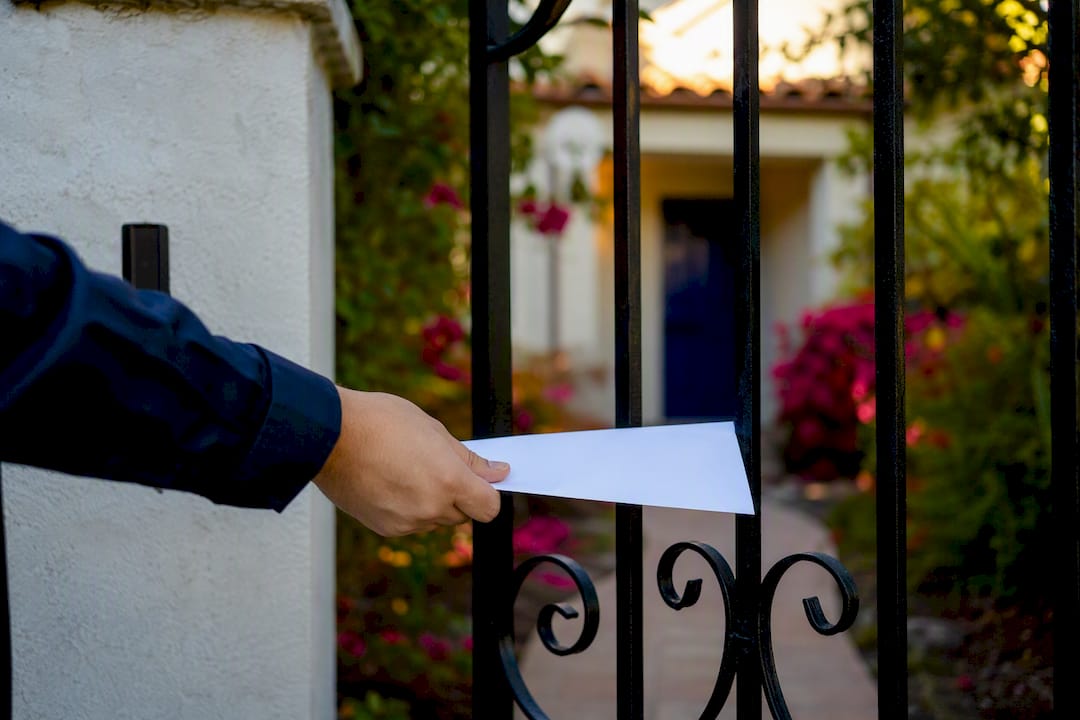
Here's the part that catches owners off guard: substituted service doesn't require you to actually receive the notice. It requires the state to have received it on your behalf. If your agent information is stale, you can lose a lawsuit by default without ever knowing you were sued, because the clock on your response window started the day the state accepted service, not the day you found out.
The consequences compound from there. A default judgment against your business is enforceable the same as any other judgment. It can freeze bank accounts, attach business assets, and follow you into collections. On top of the litigation risk, an invalid or missing agent can trigger administrative action from the state, including suspension of your entity's rights to conduct business, sign contracts, or defend itself in court.
None of this requires bad intent. It usually happens because someone moved, a personal agent stopped being reliably available, or a business owner assumed the old address would just keep working. It won't. California expects continuous coverage, not coverage that lapses for a few months between office moves.
How to Vet a Registered Agent (Questions Worth Asking)
Not every registered agent service operates the same way, and the cheap ones cut corners in places that matter. Before you sign up with anyone, ask these questions directly.
Is someone actually there during business hours, every business day? A registered agent that can't guarantee staffed availability defeats the purpose of hiring one. Guaranteed availability during standard hours is the baseline requirement, not a premium feature.
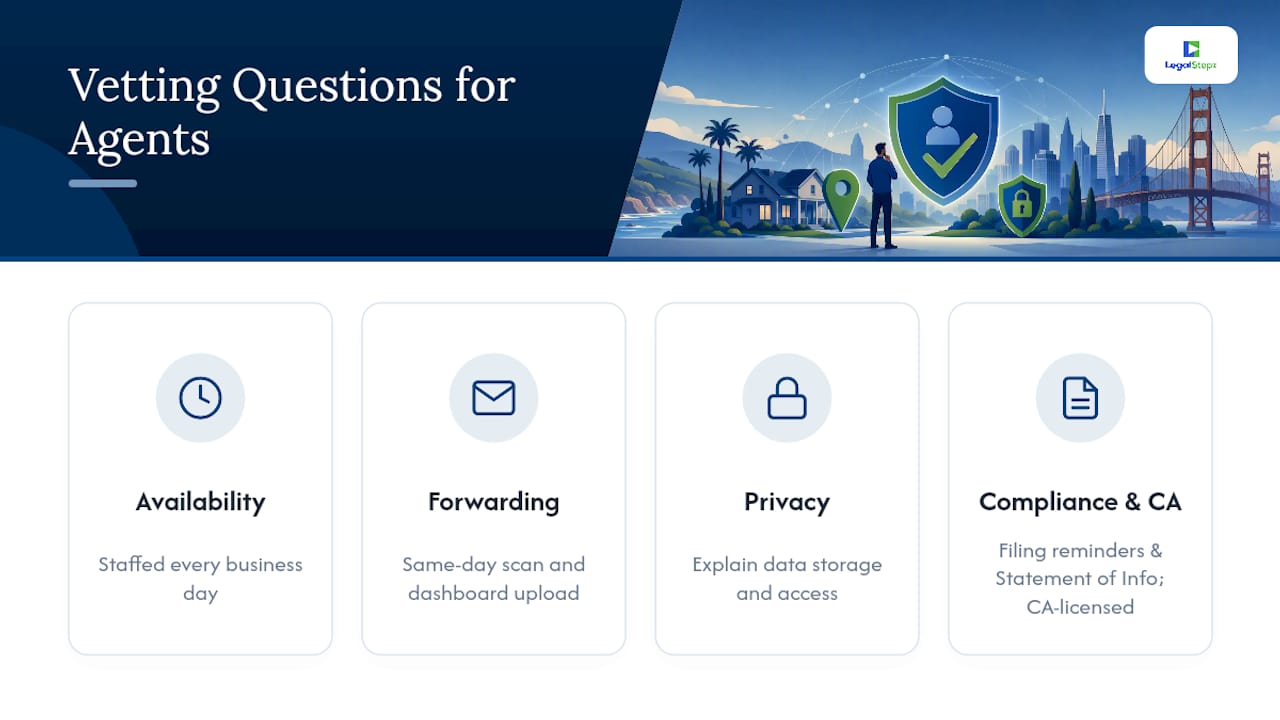
How fast do they forward documents, and how? Same-day scanning and upload to an online dashboard beats a service that mails you a physical copy a week later. Legal documents often come with tight response deadlines, so forwarding speed matters as much as receipt.
What's their privacy policy on client data? A legitimate provider should be able to explain plainly how they store your business information and who can access it.
Do they support Statement of Information filings and compliance reminders? A registered agent who also flags your filing deadlines saves you from a second point of failure.
Are they licensed to operate in California specifically, not just claiming national coverage? A national brand with no real California presence can still leave you exposed if their local handling is thin.
How Registered Agent Services Actually Handle Your Information
Good providers build their entire operation around one function: being reliably present to receive legal documents and getting them to you fast, without your personal information ever touching the public filing.
In practice, that means the agent's business address, not yours, goes on your Articles of Organization, your Statement of Information, and every subsequent filing. Your home address stays private unless you choose to list it elsewhere. When a lawsuit, subpoena, or state notice arrives at the agent's office, staff log it, scan it, and typically upload it to a client dashboard the same day, sometimes within hours.
The stronger services layer in compliance reminders on top of pure document forwarding, flagging your Statement of Information due date before it becomes a problem. That combination, document handling plus deadline tracking, is what separates a real registered agent service from a bare-bones mail-forwarding operation charging a similar fee.
Security practices vary more than owners expect. Ask whether documents are stored in an encrypted client portal, who on staff can access your file, and how long records are retained after you switch providers or dissolve the entity. A provider that can't answer clearly is telling you something.
Individual Agent vs. Commercial Agent: The Real Privacy Gap
Naming yourself, a co-founder, or a friend as your registered agent is legal in California, provided that person is a state resident with a real street address who can be present during business hours. The catch is that "real street address" almost always means a home address for a small business owner, and that address goes straight into a permanent public record the moment you file.
A commercial registered agent removes that exposure by substituting its own business address for yours across every filing. This matters more than it used to. As more California business formation happens online and public filings get indexed, scraped, and resold by data brokers, an address filed in 2020 doesn't just sit in a dusty county office anymore. It circulates.
The state's own framework hasn't loosened here. Recent Secretary of State guidance still draws a hard line: no P.O. Boxes, a real street address, availability during business hours, full stop. There's no version of the rule that lets you shield a personal address while acting as your own agent. The only way to separate your identity from the public filing is to use someone else's address, which in practice means a commercial service.
For remote founders, frequent travelers, and anyone who has ever moved without updating a filing, the commercial option also solves an availability problem the individual option can't: a staffed office doesn't take vacations or change addresses without notice.
A Decision Framework: Should You Be Your Own Agent?
Run through these five questions before you decide.
- Are you comfortable with your home address on a permanent public record, searchable by anyone, indefinitely? If not, skip self-designation entirely.
- Can you guarantee you're at that address every business day, all year? Travel, a second job, or a flexible remote schedule makes this harder than it sounds.
- Do you have a system to catch a missed delivery immediately? One skipped afternoon is enough for a process server to fail and trigger substituted service.
- Are you a foreign entity registering to do business in California from out of state? If so, you're required to name a California-based agent regardless of preference, since you can't legally list an out-of-state address.
- What's $100 to $200 a year worth to you against the risk of a default judgment or an administrative suspension you didn't see coming?
If you answered "no" or "not sure" to questions 1 through 3, or "yes" to question 4, a commercial registered agent is the practical answer. If you run a stable, single-location business, work from that address every day, and don't mind the public exposure, acting as your own agent is legally acceptable and costs nothing. Most owners land somewhere in between: comfortable with the responsibility in theory, less comfortable once they picture their home address surfacing in a stranger's search.
Why We Push Clients Toward Paid Agents More Than They Expect
Most owners underestimate how often an outdated agent address causes real damage until they've filed a late Statement of Information or scrambled after a missed notice. We recommend a paid agent whenever privacy matters, ownership is remote, or travel is frequent. Everyone else can reasonably self-serve.
Keep Your Address Off Public Record With LegalStepz
There are ways to handle this yourself, and plenty of owners do, checking their mail daily and updating filings when they move. LegalStepz gives you a faster, more hands-off path: we act as your registered agent, keep your address off the public filing entirely, and file your Statement of Information so nothing lapses between renewals.
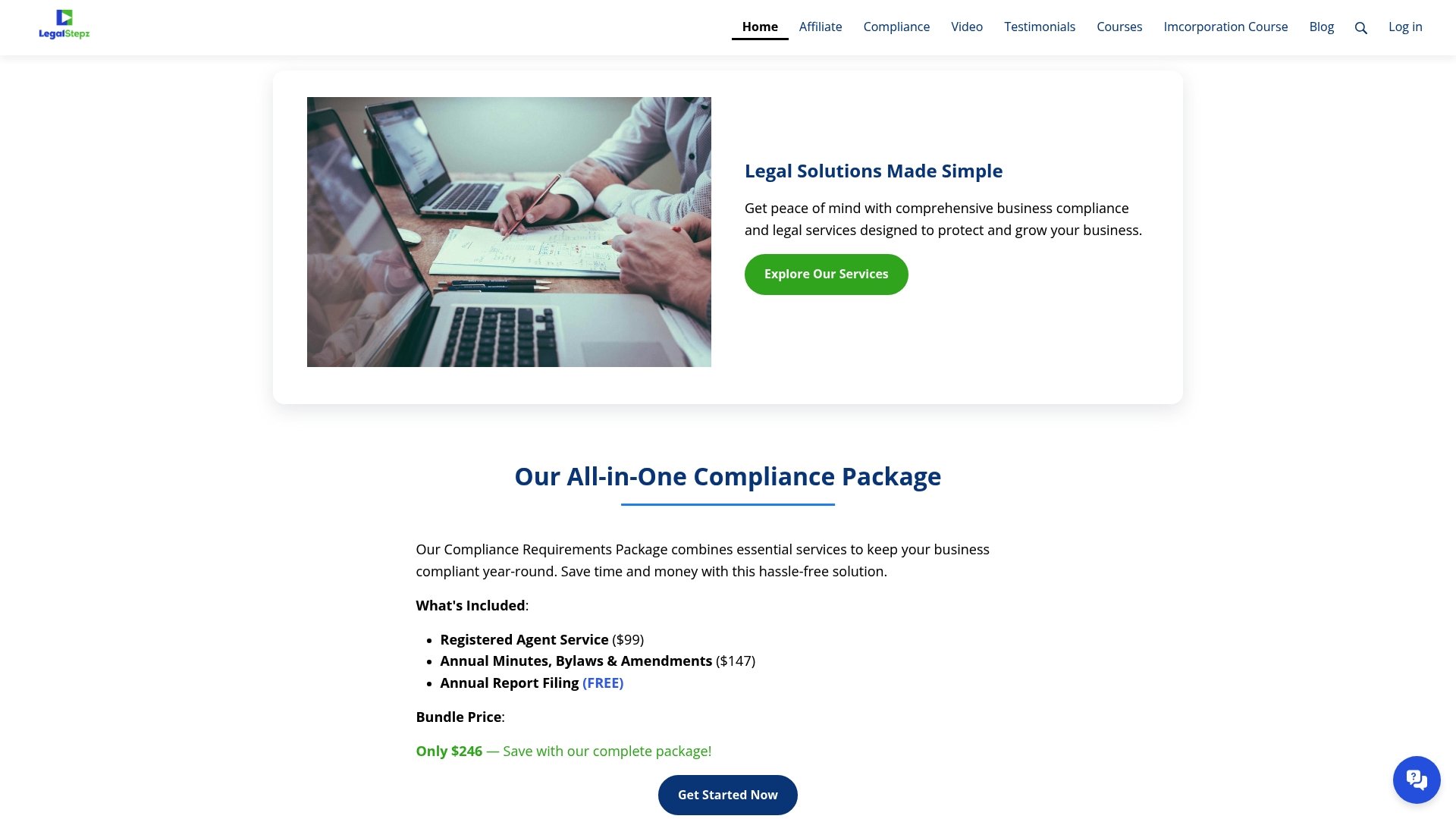
Plans run in the same $100 to $200 annual range you'd pay any commercial agent, and include document forwarding, online access to anything received on your behalf, and Statement of Information support built in rather than billed separately. If you're ready to get your home address off the public record, start with our registered agent services and see what's included at your entity stage. If you're still deciding whether to file yourself first, our guide on California LLC formation walks through naming an agent in your Articles of Organization.
Frequently Asked Questions
Does a registered agent actually protect my home address in California? Yes, as long as you hire a commercial agent instead of listing your own address. The agent's business address goes on your public filings, not yours.
Can I be my own registered agent in California? Yes, provided you're a California resident with a physical street address and can be present during business hours. Your address becomes public record either way.
What happens if my registered agent stops working or moves? You risk missed legal notices, substituted service through the Secretary of State, and potential default judgments if you don't update your filing quickly.
How much does a commercial registered agent cost in California? Most services charge between $100 and $200 a year, typically including document forwarding and online access.
Do out-of-state businesses need a California registered agent? Yes. Any foreign entity registering to do business in California must designate a California-based agent for service of process, regardless of where the company is headquartered.
This article is general information, not a substitute for advice from a qualified lawyer. Consult a qualified legal professional about your own circumstances before acting on anything here.
Sources
- California Secretary of State — Service of Process guidance
- Cornell Law — Agent for service of process
- California Registered Agent Rules and Requirements - LegalClarity
- Wolters Kluwer — How to choose a registered agent