

A trademark specimen is proof that shows how real customers encounter your mark when they buy your product or hire your service, not a design file, not a sketch, and not a "coming soon" webpage. The USPTO requires this proof for every use-based application, and getting it wrong is one of the most common reasons filings stall.
Here's what acceptable looks like in practice:
- For goods: A photo of a coffee bag with your logo printed on the label, sitting on a shelf or in your hand, exactly as a shopper would see it.
- For services: A screenshot of your website's service page, showing the mark next to a description of what you do, with the URL and access date visible.
- Not acceptable: A printer's proof of that same coffee bag label, before it was ever printed and applied to an actual product.
Three authorities govern every decision in this article: the USPTO itself, the Trademark Manual of Examining Procedure (TMEP), and 37 C.F.R. §2.56, the actual regulation that spells out specimen rules. Everything below traces back to one of those three sources.
Key Takeaways
A trademark specimen must show real, dated, commercial use of your mark, not a design concept, and getting that distinction right the first time avoids months of Office action delays.
| Point | Details |
|---|---|
| Show actual use, not intent | Photograph the finished product or a live webpage, never a mock-up, proof, or placeholder page. |
| Include URL and date on web specimens | Visible browser bar or a captioned date prevents an easy refusal for unverifiable evidence. |
| Match specimen type to goods or services | Goods need labels, packaging, or the product itself; services need proof linking the mark to what you perform. |
| Keep dated originals long-term | Retain invoices, receipts, and timestamped photos well past registration for future enforcement or renewal needs. |
| Get structured help when it's complex | Legalstepz's trademark course walks California filers through specimen prep and Office action responses step by step. |
Table of Contents
- What a specimen is and when the USPTO requires one
- Acceptable trademark specimen examples for goods
- Acceptable specimen examples for services
- Specimens that get rejected and why
- Common specimen refusals and how to overcome them
- Substitute specimens and verified statements, explained
- How to prepare and submit specimens through TEAS
- Pre-filing checklist to avoid specimen refusals
- Real specimen examples: what passes and what doesn't
- What most filers get wrong about specimens
- How Legalstepz Helps You Get Specimens Right the First Time
- Primary Sources and Further Reading
- Frequently Asked Questions
- Sources
What a specimen is and when the USPTO requires one
A specimen is required for Section 1(a) applications at the moment you file, and for Section 1(b) intent-to-use applications once you submit your Statement of Use. That timing difference trips up a lot of first-time filers who assume they can submit a specimen whenever convenient.
If you're filing under Section 1(a), you're claiming the mark is already in use in commerce. The USPTO wants evidence right then, attached to your application. If you're filing under Section 1(b), you're reserving rights based on a bona fide intent to use the mark. The specimen requirement gets deferred until you actually start using the mark and file your Statement of Use, typically after your application clears the examination and publication stages.
The legal basis sits in 37 C.F.R. §2.56, which requires one specimen per class of goods or services, showing the mark as it's actually used in commerce. TMEP §904.03 fleshes out the details with specific examples the regulation doesn't spell out on its own. One nuance worth flagging early: a drawing and a specimen are not the same thing. The drawing represents the mark itself; the specimen proves how you actually use that mark to sell something. Confusing the two, submitting a clean logo file as your specimen, is one of the most frequent triggers for an Office action.
If your application ever gets refused for a specimen deficiency, you can typically file a substitute specimen after the fact, provided it shows use dating back to a required point in time. More on that later.
Acceptable trademark specimen examples for goods
For physical products, the USPTO ranks specimens by how directly they show the mark attached to something a customer would actually buy: the goods themselves, labels or tags affixed to those goods, packaging, and point-of-sale displays. Advertising materials alone almost never work for goods, a rule that surprises plenty of applicants who assume a nice-looking ad should count.
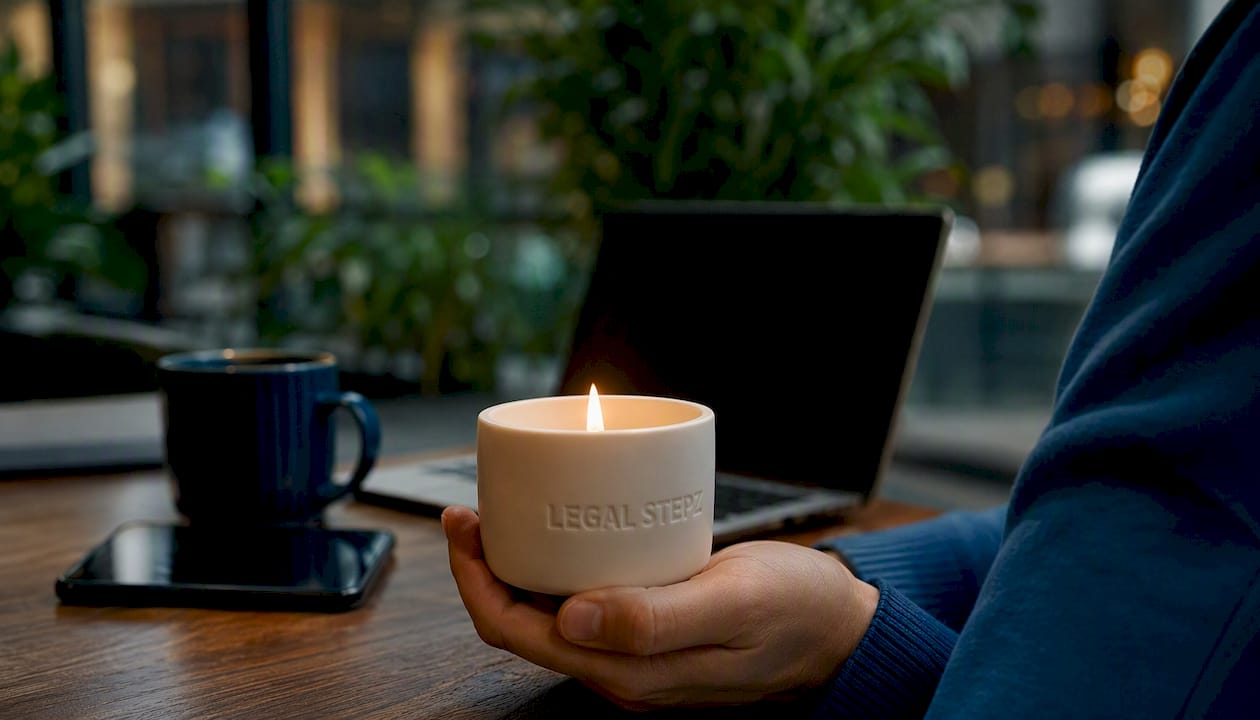
The product itself. A photo of your actual product with the mark visible on it. If you sell candles, a photo of the candle with the brand name molded or printed into the wax works well.
Labels and tags. A close-up of a hang tag or sewn-in label showing the mark, still attached to the product it identifies. Apparel brands rely on this constantly, a photo of a shirt collar with the tag showing.
Packaging. A box, bag, bottle, or container with the mark printed on it. This is the most common specimen type for consumer goods, and it works because packaging is exactly how shoppers identify products on a shelf.
Point-of-sale displays. A photo of a retail display, shelf signage, or in-store promotional stand that shows the mark connected to the specific goods. This one carries an important exception: TMEP §904.03 permits a display associated with the goods even when the mark doesn't physically touch the product, but only when the display appears at the actual point customers make a purchase decision, and it clearly identifies the goods being sold.
Pro Tip: Photograph your specimen in context, not isolation. A cropped image of just the logo, cut away from the product, tag, or packaging it's printed on, tells an examiner nothing about real-world use. Keep enough of the product visible that anyone looking at the photo instantly understands what's being sold and how the mark identifies it.
One useful wrinkle from TMEP §904.03: if a web page shows a photograph of the product with the mark visible in a way that independently satisfies goods-specimen rules, you may not need to include the URL and access date that web specimens otherwise require. The product photo itself does the work.
Acceptable specimen examples for services
Service marks work differently. Advertising and marketing materials that would get rejected outright for a physical product are often perfectly acceptable for services, as long as they create a direct link between your mark and the specific service you provide. That distinction between goods and services rules catches a surprising number of filers off guard.
A website screenshot is the most common service specimen, and it needs three things to hold up: the mark displayed prominently, a description of the actual service being offered, and the URL plus the date you accessed or printed the page. A law firm's homepage showing its name next to "business formation and compliance services" works. A homepage that just displays a logo with no description of what the firm does typically does not, because there's no direct association between the mark and any specific service.
Brochures work the same way, provided they describe the service alongside the mark. Invoices and booking confirmations tend to be some of the strongest service specimens available, because they document an actual transaction where the mark and the service are tied together in a real business record. A restaurant's menu showing its name works for restaurant services. Signage photographed outside a storefront, showing the business name alongside indications of the service performed inside, is another reliable option.
For web screenshots specifically, place the URL and access or print date somewhere clearly visible in the image itself, either in the browser's own address bar or added as a caption. Examining attorneys look closely for whether a services page actually connects the mark to the performance or sale of a service, rather than just mentioning the business name in passing. A generic "about us" page with no service description attached is a common source of refusal, even when the mark appears clearly on the page.
Specimens that get rejected and why
Four categories account for most specimen refusals: artist renderings and computer mock-ups, printer's proofs, placeholder pages for goods not yet for sale, and purely decorative uses of a logo. Understanding why each one fails helps you avoid recreating the mistake.
Mock-ups and renderings. Examining attorneys treat a mock-up as evidence of intent, not evidence of actual public use. A digitally rendered image of what your packaging will look like, however polished, tells the USPTO nothing about whether a real customer ever encountered that mark in the marketplace.
Printer's proofs. These sit in a strange middle ground: closer to final than a mock-up, but still not evidence that the packaging or label was ever produced, distributed, or sold. A proof is a promise of future use, not proof of current use.
Pre-sale webpages. A "coming soon" page, a page with no way to purchase, or a page still under construction fails the same test. If there's no functioning way for a customer to buy the goods or engage the service, the page doesn't demonstrate use in commerce.
Purely ornamental placement. A logo printed large across the front of a T-shirt as decoration, with no separate use identifying the source of the shirt itself, often gets refused as ornamental rather than accepted as a trademark specimen. The mark has to function as a source identifier, not just as decoration.
A typical Office action addressing a mock-up reads something like this: the examining attorney states that the specimen does not show the mark in actual use in commerce and appears to be a computer-generated image rather than a photograph of the goods as sold. If you get language like that, the fix usually isn't complicated: take an actual photograph of the finished, sellable product and submit that instead.
Common specimen refusals and how to overcome them
The fastest way out of a specimen refusal is almost always the most literal one: submit a proper specimen showing actual use, paired with a verified statement if you're substituting for what you originally filed. Overcomplicating the response rarely helps.
Here's the response flow that works in most cases:
- Gather your originals. Find the actual product, packaging, invoice, or webpage as it exists right now, not as it will exist someday.
- Create a clean reproduction. Take a clear photo or screenshot. Resist the urge to touch it up or crop out context.
- Draft your response with an explanation. File through TEAS, explain why the new specimen resolves the examining attorney's concern, and cite the specific TMEP section that supports your position.
- Attach a verified statement if required. If you're substituting a specimen for one you already filed, you'll typically need to verify that the new specimen was in use as of the relevant filing date.
For reference, a bare-bones verified statement outline might read: "The undersigned, being warned that willful false statements are punishable by fine or imprisonment, declares that the substitute specimen was in use in commerce at least as early as [date]." That's illustrative language only, not a form you should copy verbatim without adapting it to your own facts.
Here's how the most common refusal reasons map to fixes:
| Refusal Reason | What the Examiner Is Flagging | Corrective Step |
|---|---|---|
| Insufficient association | Mark appears, but isn't clearly tied to the specific goods or services | Submit a specimen that shows the mark directly next to a description or image of what's sold |
| Mock-up or digital rendering | Specimen looks computer-generated rather than photographed | Take an actual photo of the finished, real-world product or packaging |
| Pre-sale webpage | No functioning way to buy the goods or engage the service | Submit a specimen from a live, transactable page, or wait until the page is functional |
| Ornamental use only | Mark is decorative with no separate source-identifying function | Show the mark used as a label, tag, or hangtag rather than a large design element |
| Missing URL/date on web specimen | Screenshot doesn't show when or where it was captured | Resubmit with the URL and access date visible in the image itself |
Substitute specimens and verified statements, explained
Substitute specimens are allowed, but only if you can show the replacement was actually in use as of whatever date the USPTO requires, and only when accompanied by a verified statement confirming that fact. This isn't a loophole for submitting something better looking after the fact. It's a correction mechanism for filers whose original specimen didn't meet the bar.
The filing pathway depends on where you are in the process. If you're still under Section 1(b) and haven't reached registration, you might amend to allege use or file your Statement of Use with a corrected specimen attached. If your original specimen already got rejected in an Office action, 37 C.F.R. §2.56 and related TMEP provisions govern how and when a substitute specimen can come in during prosecution, generally requiring that verified statement attesting to the date of use.
Practical checklist for anyone heading down this road:
- Confirm the exact date your original specimen needs to reflect, and don't submit a substitute that predates or postdates that requirement without explanation.
- Keep invoices, dated receipts, or timestamped photos on hand as backup evidence, even if you don't submit them initially.
- Draft the verified statement carefully. It's a sworn statement, and a false one carries legal consequences, not just a rejected filing.
Illustrative template language, again not to be copied verbatim: "The substitute specimen attached hereto was in use in commerce in connection with the goods/services identified in the application at least as early as [date], and accurately reflects use of the mark as of that date."
How to prepare and submit specimens through TEAS
The Trademark Electronic Application System (TEAS) accepts standard image formats, typically JPG or PDF, and expects files clear enough that an examining attorney can actually read text and identify the mark without squinting. Blurry, low-resolution, or heavily compressed images are a self-inflicted wound.
For a physical product, hold the camera steady, use natural light where possible, and make sure the mark itself is in sharp focus, not just the general product. For a webpage, capture the full browser window if you can, so the URL bar shows naturally rather than being cropped out or pasted in separately. If your browser doesn't display the full address, add the URL and access date as a caption directly on the image or in a verified statement filed alongside it.
Name your files descriptively before uploading, something like "specimen-goods-label-front.jpg" rather than "IMG4821.jpg". It won't affect the legal sufficiency of your specimen, but it keeps your own records straight if you need to reference a specific file later in prosecution. If your product has meaningful identifying detail on multiple sides, a front label and a back label with ingredient or usage information, submitting more than one image can strengthen your position, provided each one clearly shows the mark.
Pre-filing checklist to avoid specimen refusals
Before you upload anything, run through this list:
- One specimen per class. If your application covers multiple classes, each one needs its own specimen showing use for that specific class.
- High resolution. The image should be sharp enough to read any text on the mark itself.
- URL and access date for web specimens. Visible in the screenshot, or documented in a verified statement.
- Evidence of actual sale or use. An invoice, receipt, or dated transaction record if there's any question about whether the specimen reflects real commercial activity.
- No mock-ups, no proofs, no placeholders. If it hasn't been produced, sold, or performed yet, it's not ready to be a specimen.
Pro Tip: Keep your original specimen files, along with any metadata showing capture dates, for the full length of prosecution and ideally well beyond registration. If a competitor challenges your mark years later, or the USPTO requests proof of continued use during a maintenance filing, having dated originals on hand saves you from scrambling to recreate evidence after the fact.
Real specimen examples: what passes and what doesn't
These examples mirror the kinds of submissions we see repeatedly at Legalstepz, and the reasoning an examining attorney would apply to each one.
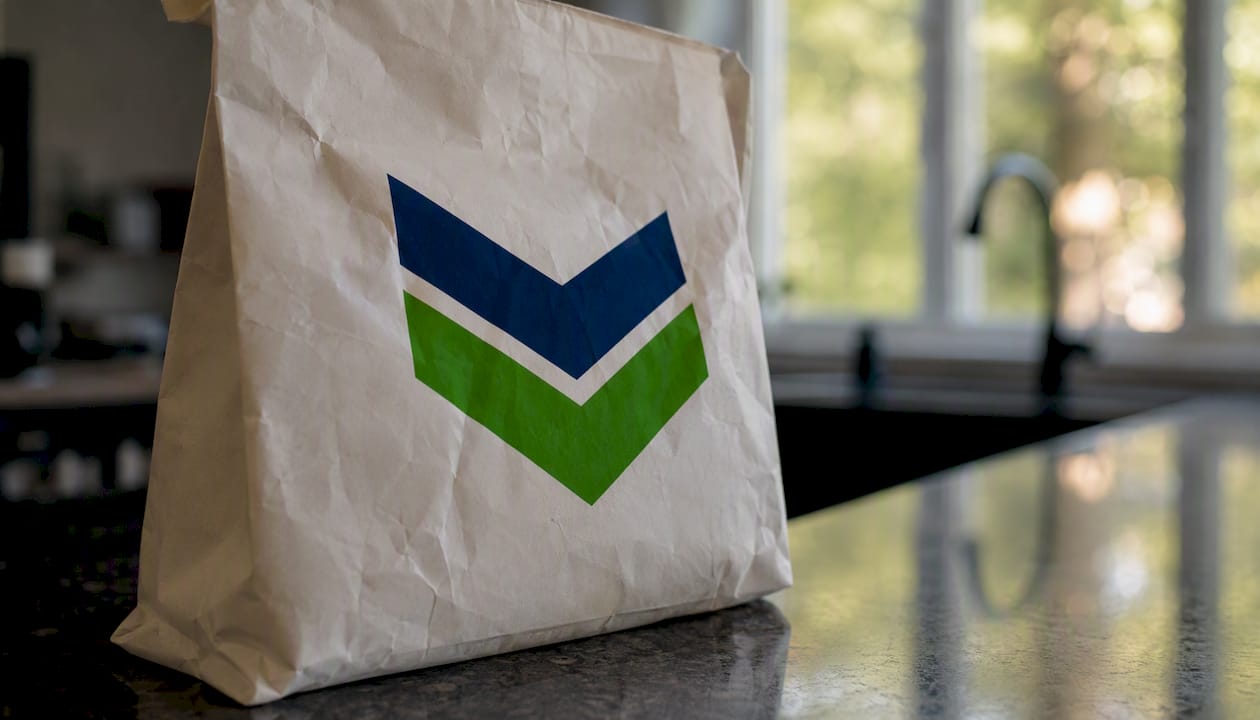
Accepted: a coffee bag with printed label (goods). A photo of a sealed coffee bag, mark printed clearly on the front label, sitting on a kitchen counter. This passes because it shows the finished product exactly as a customer would receive it, with the mark functioning as a source identifier on the packaging. No cropping, no digital cleanup, just the real object.
Accepted: a consulting firm's service page (services). A screenshot of a webpage showing the firm's name at the top, a paragraph describing the specific consulting services offered, a contact form, and the URL and access date visible in the browser bar. This works because it satisfies all three requirements at once: the mark, a service description, and direct association between them.
Rejected: a T-shirt mock-up rendered in design software (goods). A polished digital rendering of a shirt with a logo, created before any shirts were printed. This fails because it's evidence of a design plan, not evidence that a real, physical shirt bearing the mark was ever sold or offered to consumers. The fix is straightforward: print an actual shirt, photograph it being worn or laid flat, and submit that photo instead.
The mistake behind that last example is one of the most common ones we see: filers rush to submit something before their product line is actually finished, because they're eager to lock in a filing date. Patience here beats speed. A rejected specimen costs you months in back and forth with the USPTO; a slightly delayed but correct specimen costs you nothing extra.
What most filers get wrong about specimens
The top mistake, by a wide margin, is submitting a specimen that shows intent rather than use, a mock-up, a proof, a rendering, something that looks finished but was never actually sold or offered to the public. Filers assume "close enough" will satisfy an examining attorney. It won't, and the Office action language that follows is often blunt about it.
The second mistake is treating a specimen and a drawing as interchangeable, submitting a clean logo file when what's needed is evidence of real-world commercial use. The third is failing to include a URL and access date on web specimens, a small omission that creates an outsized headache because it makes an otherwise perfectly good specimen unverifiable on its face.
The remedy for all three is the same: photograph or screenshot the actual product, page, or transaction as it exists today, keep dated backup evidence like invoices or receipts, and resist the temptation to submit something polished but premature. If your situation involves a complex specimen question, overlapping goods and services classes, or you've already received more than one Office action on the same application, that's usually the point where working with a trademark practitioner starts to pay for itself rather than filing solo.
How Legalstepz Helps You Get Specimens Right the First Time
Fixing a specimen refusal after the fact costs you months of back and forth with the USPTO. Legalstepz built its trademark course around avoiding that delay in the first place, walking California entrepreneurs and small business owners through exactly which specimen to prepare, how to photograph or screenshot it correctly, and how to draft a response if an Office action ever comes back.
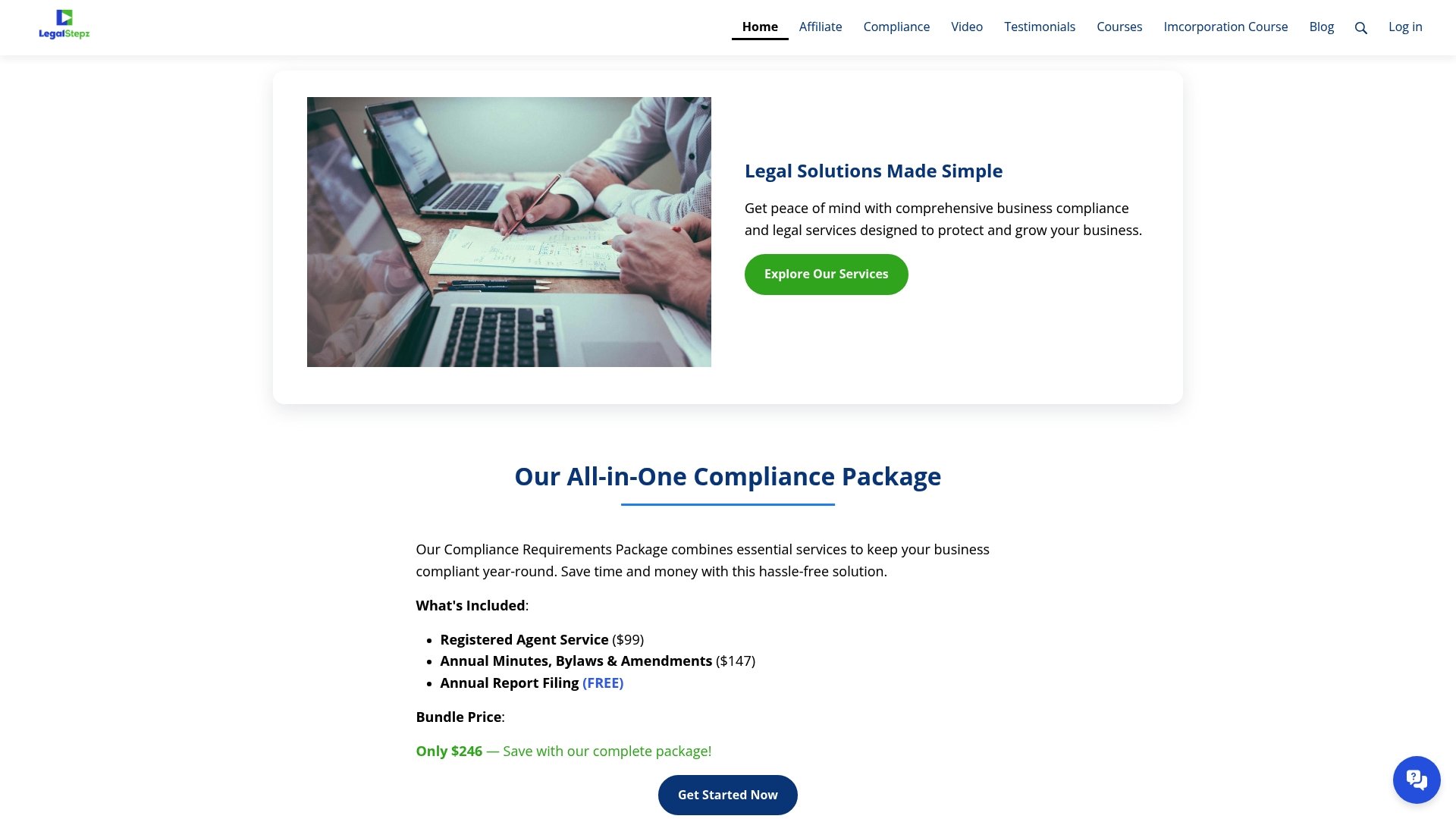
The course pairs directly with our broader guidance on the trademark application process, so you're not just learning specimen rules in isolation, you're seeing where they fit into the full filing timeline from search to registration. If you're staring down a Statement of Use deadline or you've already received a specimen refusal and aren't sure how to respond, start with the Legalstepz trademark course and get a filing plan built around your actual product or service before you submit anything else to the USPTO.
Primary Sources and Further Reading
Before you draft or respond to any specimen-related Office action, these are the sources worth reading directly rather than relying on secondhand summaries:
- USPTO: Specimens and how to overcome a specimen refusal, the primary explanation of what qualifies and how to fix a refusal.
- USPTO: Drawings and specimens as application requirements, which clarifies the distinction between the mark itself and proof of its use.
- 37 C.F.R. §2.56, the actual federal regulation governing specimens, including the one-specimen-per-class rule.
- TMEP §904.03, the detailed examining procedure covering acceptable specimen types and web page requirements.
Frequently Asked Questions
What is a trademark specimen, exactly? It's real-world proof, a photo or screenshot, showing how your mark actually appears to consumers when they buy your product or use your service. It's different from the drawing, which just depicts the mark itself.
Can I use the same photo as both my drawing and my specimen? No. The drawing shows the mark in isolation; the specimen has to show the mark in commercial context, attached to a product, on a package, or on a webpage describing your service.
What are the most reliable trademark specimen examples for a small e-commerce brand? Product packaging with the mark printed on it, and a live webpage showing the product for sale with the mark, price, and an "add to cart" option all visible together.
Why did my specimen get rejected as a mock-up? Because it looked computer-generated or unfinished rather than photographed. Submit an actual photo of the finished, sellable product instead.
Do I need a new specimen every time I file a Statement of Use? Yes, if you filed under Section 1(b), the specimen you submit with your Statement of Use has to reflect the mark as it's actually used at that later point, not at the time of your original filing.
How long should I keep my specimen files after registration? Indefinitely is safest, but at minimum through your first maintenance filing period, since you'll need to prove continued use again down the road.
END OF ARTICLE
This article is general information, not a substitute for advice from a qualified lawyer. Consult a qualified legal professional about your own circumstances before acting on anything here.
Sources
- Specimens | USPTO
- Drawings and specimens as application requirements | USPTO
- 37 C.F.R. § 2.56 (Specimens)