

No, a DBA is not the same as a trademark. A DBA (fictitious business name) is a public notice filing that tells California who is really behind a business name. A trademark is a legal right that lets you stop competitors from using a confusingly similar name in commerce. If your brand identity matters to your revenue or you plan to sell outside your county, run a trademark clearance search now and consider federal registration before you spend another dollar on marketing.
TL;DR:
- A DBA only provides public record of a business name and does not prevent others from using the same or similar names in different counties or states.
- State trademark registration grants protection within California, but only federal registration offers nationwide rights and stronger legal enforcement.
- Conducting thorough name searches across BizFile, USPTO TESS, and county records is essential before filing to avoid costly rebranding or legal disputes.
- Filing a DBA involves modest costs but requires publication in a local newspaper, which can extend the process to four to six weeks.
- For brands with growth plans beyond California, securing both a federal trademark and a DBA ensures proper legal protection and operational compliance.
Table of Contents
- What Is a DBA in California, and What Does It Actually Do?
- What Is a Trademark, and How Do You Actually Get Rights to One?
- DBA vs California State Trademark vs Federal Trademark
- How to Search and Clear a Business Name Before You File Anything
- Filing a DBA in California: Timeline, Cost, and the Publication Trap
- Registering a Trademark: State and Federal Filing Basics
- When You Need Both a DBA and a Trademark
- Common Mistakes and Practical Fixes
- Get Your Name Legally Protected With Legal Stepz
- Where to Verify These Rules Yourself
- Sources
- FAQ
What Is a DBA in California, and What Does It Actually Do?
A fictitious business name (FBN), commonly called a DBA ("doing business as"), lets a sole proprietor, partnership, LLC, or corporation operate under a name that differs from its legal name. Most people file one because a bank requires it to open a business checking account, or because "Maria Torres" wants to sell coffee as "Sunrise Roasters" without forming a new legal entity.

The filing happens at the county level, not with the state. You submit a fictitious business name statement to the clerk or clerk-recorder in the county where your business is located, and California requires you to publish that statement in a newspaper of general circulation, then file proof of publication with the same office.
Here's the part that trips people up:
- A DBA registration does not stop a competitor from using the same or a similar name.
- It creates zero exclusive rights, it's simply a public record of who is operating behind a name.
- Two unrelated businesses in different California counties can legally file the identical DBA.
- The county clerk does not check trademark databases before approving your filing.
Pro Tip: A DBA is not brand insurance. It's a compliance checkbox that keeps you legal with your bank and your county, and nothing more.
Costs are modest. Expect a county filing fee generally varying by county, plus publication costs that vary by newspaper and county, typically requiring an additional payment. Total turnaround, including the required publication window, typically runs four to six weeks.
What Is a Trademark, and How Do You Actually Get Rights to One?
A trademark is a word, logo, or slogan that identifies the source of goods or services and distinguishes them from competitors. Unlike a DBA, trademark rights in the United States are built on use in commerce, not paperwork. The moment you start selling under a name in a specific market, you generally acquire common-law rights in that geographic area, even without filing anything.
Registration doesn't create the right. It strengthens and expands it. That distinction matters more than most business owners realize:
- Common-law rights: limited to the actual area where you've used the mark, and hard to prove or enforce without registration.
- California state trademark: filed with the California Secretary of State for $70 per classification code, valid for five years, but enforceable only within California.
- Federal (USPTO) trademark: creates nationwide presumptions of ownership and priority, and gives you access to stronger remedies under the Lanham Act, the federal statute governing trademark infringement and unfair competition.
The state filing fee sits at a flat $70 per class, which is a fraction of what most owners assume trademark protection costs. But cheap and narrow often go together. A California state registration protects you inside state lines. If a competitor in Texas starts using your name, state registration gives you nothing to stand on. Federal registration does.
DBA vs California State Trademark vs Federal Trademark
Choosing the right filing comes down to matching the tool to what you actually need protected. A local bakery and a nationwide e-commerce brand have very different exposure, and the filing that fits one badly fits the other.
| Factor | DBA (Fictitious Business Name) | California State Trademark | Federal Trademark (USPTO) |
|---|---|---|---|
| Scope of protection | None (public notice only) | Statewide, California only | Nationwide |
| Who issues it | County clerk / clerk-recorder | California Secretary of State | USPTO |
| Exclusive rights / enforcement | None | Limited, state courts only | Strong, federal courts, presumption of ownership |
| Typical cost | $25 to $100 filing plus $40 to $150+ publication | $70 per classification code | Federal filing fees vary by application type and class, detailed on the USPTO fee schedule |
| Geographic reach | County of filing | California only | nationwide presumptions of ownership and priority |
| Renewal / term | Varies by county, often five years | Five years | Between the fifth and sixth year, then every ten years |
Here's how that plays out for three common situations:
- A solo hairstylist operating one shop in Fresno. A DBA is probably enough since her business never crosses county lines and her brand risk is low.
- An online seller shipping products across the U.S. A DBA alone leaves the name exposed nationwide. Federal registration is the appropriate protection here, since the business already competes outside California.
- A local brand planning to franchise or license the name in other states. State registration might buy short-term breathing room, but federal registration is essential before licensing conversations even start.
Pro Tip: If your growth plan stops at California's border for the next few years, a state trademark can be a reasonable stepping stone. If you're selling online to any state, skip straight to federal.
How to Search and Clear a Business Name Before You File Anything
Skipping the clearance search is the single most expensive mistake in this entire process, because rebranding after you've already printed signage, built a website, and run ads costs far more than the search itself.
- Search BizFile Online. The California Secretary of State's business search portal shows registered entity names and state trademark filings, and it's the first stop for anyone checking whether a name is already claimed in California.
- Search USPTO TESS. The USPTO's trademark search system shows registered and pending federal marks. A pending application here can block your registration even if it hasn't been approved yet.
- Check county fictitious business name records and common-law use. Search the county clerk's FBN database for your target county, then check Google, social media, and marketplaces like Amazon or Etsy for anyone already trading under a similar name without formal registration.
If your search turns up a close match, especially a federally registered one, that's the moment to bring in a trademark attorney rather than push forward on hope. For most straightforward searches, a structured process like the one Legal Stepz walks through in its trademark search guide covers the same three databases in a repeatable order.
Pro Tip: Run the search before you commission a logo, not after. Design costs are sunk costs the moment a conflict forces a rename.
Filing a DBA in California: Timeline, Cost, and the Publication Trap
Filing happens with the county clerk or clerk-recorder in the county where your business is physically located, or in Sacramento County if you have no physical California address. The statement typically asks for your business name, the names and addresses of everyone with an interest in the business, and the type of business entity.
The part people forget is publication. California requires you to publish the fictitious business name statement in a newspaper of general circulation within the county, once a week for four consecutive weeks, then file an affidavit of publication with the clerk within 30 days of the last publication date.
- Filing fee varies by county.
- Publication cost varies by newspaper and county.
- Total timeline commonly spans several weeks from filing to a completed, publication-verified DBA.
- Common mistake: filing in the wrong county, or missing the affidavit deadline, which forces the entire process to restart.
Digital-only businesses with no physical California address get funneled into Sacramento County's jurisdiction and publication rule, a detail that surprises a lot of online sellers who assume they're exempt from publication entirely.
Registering a Trademark: State and Federal Filing Basics
The California state trademark process is faster and cheaper, which makes it tempting to treat it as a complete solution. It's a solid starting point, but it was never designed to replace federal protection for a growing brand.
- California state filing requires a completed application, a specimen showing use of the mark, and the $70 filing fee per classification code. The registration lasts five years and covers use inside California only.
- USPTO filing requires choosing between a use-based application (you're already selling under the mark) or an intent-to-use application (you plan to soon). Fees vary by class and filing basis, detailed on the USPTO fee page.
- Federal examination typically takes several months from filing to a first office action, and contested or complex applications can take considerably longer.
- Maintenance requires filing between the fifth and sixth year after registration, then renewing every ten years to keep the mark active.
The sequence that works best: clear the name first, form your entity, then decide whether state, federal, or both filings match your growth plan. Filing state first and federal later is common and perfectly workable, since nothing prevents holding both simultaneously.
When You Need Both a DBA and a Trademark
Most established California businesses end up filing both, and for good reason. The DBA keeps you compliant with your bank, your county, and your day-to-day operations. The trademark is what actually stops a competitor down the street, or across the country, from trading on your name.
- Run a clearance search using BizFile, USPTO TESS, and county FBN records before you commit to a name.
- Form your entity (LLC or corporation) once the name is clear.
- File the DBA if you're operating under a name different from your legal entity name.
- Pursue federal trademark registration once you're selling beyond a single county or planning to scale.
Pro Tip: Treat the clearance search as step zero, not step four. Every dollar spent on branding before you search is a dollar you might have to spend again.
Common Mistakes and Practical Fixes
The mistake I see most often is business owners treating their DBA filing as if it settled the naming question permanently. It doesn't. A county clerk approving your fictitious business name statement has no idea whether a company in another state already holds a federal registration on that exact name, and if that company decides to enforce its rights, your county filing offers no defense.
The fix is boring but effective: run a BizFile and TESS search before you spend real money on marketing. It takes an afternoon. A forced rebrand after eighteen months of building recognition costs far more than that afternoon ever would, and early clearance is almost always the cheaper path, even when it means paying for a professional search or a short consultation with counsel.
— Peter
Get Your Name Legally Protected With Legal Stepz
You can follow a structured path through the sequence covered here, without needing to hire a law firm for every step. Instead of guessing whether your DBA is enough or hunting through three separate government databases on your own, you get a clear framework built specifically for California entrepreneurs.
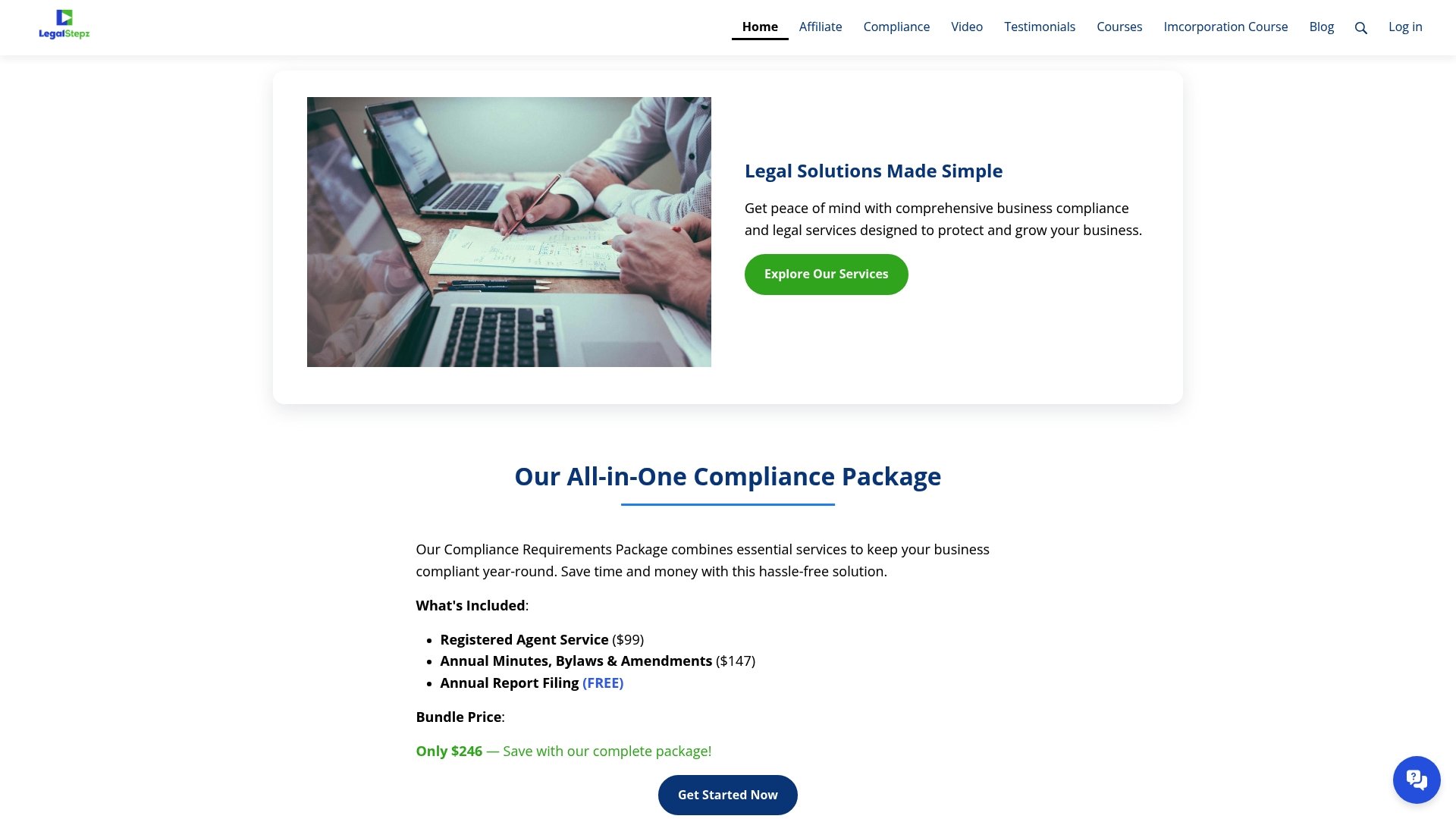
The trademark course walks you through running your own clearance search across BizFile and USPTO TESS, and preparing a filing that actually holds up. If you'd rather have the paperwork handled, some providers also file your Statement of Information, prepare corporate minutes and bylaws, and provide registered agent service, so your entity stays compliant while you focus on protecting the brand itself. For a deeper look at what a DBA does and doesn't cover before you file one, read through our breakdown of DBA registration benefits. When you're ready to move on the trademark side, start with the trademark course and run your search before your next marketing push.
Where to Verify These Rules Yourself
For fee schedules and search tools, check the USPTO trademark search system, the California Secretary of State's trademark FAQ, and BizFile Online. For DBA publication rules, county clerk sites like Los Angeles County's FBN page walk through local requirements. Business owners facing a naming dispute can find general background on litigation exposure through resources like Serendib Law Firm's overview of business litigation.
This article is general information, not a substitute for advice from a qualified lawyer. Consult a qualified legal professional about your own circumstances before acting on anything here.
Sources
- California Secretary of State — Trademark and service mark FAQs
- Cornell Law School — Lanham Act overview
- USPTO — Trademark fee information
- BizFile Online — California Secretary of State business search
- Los Angeles County Registrar-Recorder/County Clerk — Fictitious Business Names general info
FAQ
Does California Require a DBA to Be Registered?
Yes, if you're operating under any name other than your own legal name or your entity's registered name, California requires you to file a fictitious business name statement with the county clerk where your business is located. You also must publish the statement in a newspaper of general circulation and file proof of that publication.
What Is the Difference Between a DBA and a Trademark?
A DBA is a county-level public notice that discloses who owns a business operating under a name. A trademark is a legal right, built through use in commerce and strengthened by registration, that lets you stop others from using a confusingly similar name for related goods or services.
Can I Trademark a DBA?
Yes. Filing a DBA doesn't give you trademark rights, but nothing stops you from also registering that same name as a trademark with the California Secretary of State or the USPTO, provided the name clears both databases and meets trademark eligibility requirements.
Does a DBA Count as a Trademark?
No. A DBA is a compliance filing with zero exclusivity attached, while a trademark grants an enforceable right to exclude competitors from using a similar mark. Businesses that rely on a DBA alone often discover this gap only after a federally registered competitor sends a cease-and-desist letter.