
There is no single statewide business license in California. Licensing works in layers, so your first move is to search CalGOLD by your location and business type, register with the California Department of Tax and Fee Administration if you sell taxable goods or services, and call your city or county clerk to confirm local requirements before you open your doors.
TL;DR:
- Most California businesses require multiple permits depending on industry and location, including state-level licenses and local business licenses or tax certificates.
- A seller's permit from CDTFA is necessary for taxable sales but can usually be obtained instantly online with no registration fee.
- Contractor licenses from CSLB are mandatory for construction work valued at over $500, requiring exams, bonds, and experience proof.
- Local licensing offices must be contacted directly to confirm specific requirements, renewal timelines, and whether additional permits or inspections are needed.
- Following proper procedures involves a clear sequence, including CalGOLD searches, registering with CDTFA, confirming local licenses, and maintaining continuous compliance records.
Table of Contents
- How California's licensing system is organized
- Common licenses and permits to check, by issuing agency
- How to find exactly what licenses you need
- Typical costs, fees, and timelines for permits
- Applying, tracking, and keeping compliance records
- How Legalstepz supports California entrepreneurs with filings and ongoing compliance
- A practitioner's take on getting this right the first time
- Get your California compliance filings handled
- FAQ
- Sources
How California's licensing system is organized
Forming a business entity and getting licensed to operate are two different processes, and confusing them is one of the most common mistakes new owners make. Filing with the Secretary of State through bizfile California creates your LLC or corporation on paper. It does not authorize you to sell anything, serve food, pour a drink, or practice a regulated trade. The Secretary of State's bizfile portal is the state's hub for entity filings and records, but licensing sits with separate agencies entirely.
Several state bodies issue the permits that actually let you operate, depending on your industry:
- CDTFA handles seller's permits and most sales and use tax accounts.
- CSLB licenses contractors in the building trades.
- ABC regulates alcohol sales and service.
- DCC licenses cannabis cultivation, manufacturing, and retail.
- DCA oversees dozens of professional boards, from cosmetology to accounting.
- Cal/EPA and its boards cover environmental permits for waste, emissions, and water discharge.
On top of that, cities and counties have their own authority to require a local business license or business tax certificate, and state law does not preempt this. Requirements and fees vary widely between neighboring jurisdictions, as confirmed in the California Business and Professions Code, which authorizes cities to license businesses under their own police powers. A restaurant in one city might need a county health permit, a city business license, a seller's permit, and a sign permit, all at once. Overlapping requirements like this are the rule, not the exception, especially for food service, retail, and home-based businesses that touch multiple jurisdictions.
Common licenses and permits to check, by issuing agency
Most California businesses end up dealing with some combination of state and local permits, but which ones depend entirely on what you do and where you do it.
Seller's permit (CDTFA): If you sell or lease tangible goods that would normally be taxed, or provide certain taxable services, you need a seller's permit. Registration through CDTFA's online portal is how most retailers, wholesalers, and e-commerce sellers get set up, and many applicants receive their permit immediately after submitting the application.
Contractor license (CSLB): Anyone performing construction work valued at $500 or more in labor and materials generally needs a license from the Contractors State License Board. The path involves an exam, a contractor's bond, and proof of experience, which the Department of Industrial Relations outlines as part of its broader guidance on state-level permitting for regulated trades.
Professional licenses (DCA): Cosmetologists, accountants, real estate agents, and dozens of other professions fall under Department of Consumer Affairs boards, each with its own exam and renewal rules.
Alcohol and cannabis (ABC and DCC): Selling alcohol requires an ABC license tied to the specific type of sale, on-site or off-site. Cannabis businesses need a license from the Department of Cannabis Control, layered on top of local cannabis permits that many cities require separately.
Environmental and health permits: Businesses that generate waste, handle hazardous materials, or serve food typically need permits from Cal/EPA-affiliated boards or the local county health department.
Local business license or tax certificate: Most cities and many counties require a general business license, really a tax registration, regardless of industry. Coverage and cost vary enormously by jurisdiction, as noted above.
According to CDTFA, online registration covers numerous tax and fee programs, including cigarette and tobacco, hazardous substances, and cannabis tax accounts, though specialized programs often require separate agency approval before they become active.

A mobile food vendor might need a county health permit, a city vending license, and a seller's permit. An e-commerce seller shipping from a home office in California still needs a seller's permit and should check whether the home city requires a home occupation permit. A home-based consultant with no inventory might only need a local business license, but should never assume that without checking.
How to find exactly what licenses you need
Working through the lookup process in order saves time and avoids missed requirements.
- Define your business activities clearly. Know whether you are selling goods, providing a service, manufacturing, or operating in a regulated trade. This determines which agencies apply.
- Run a CalGOLD search by your city or county and your business type. CalGOLD acts as a directory that links you to the state, local, and federal agencies relevant to your activity, though it does not issue permits itself and does not track whether a business already holds one.
- Register with CDTFA for a seller's permit if you sell taxable goods or services. The online system can issue a permit right away for many applicants.
- Search bizfile through the Secretary of State if you need to confirm your entity's filing status or pull records tied to your LLC or corporation.
- Contact your city or county licensing office directly. CalGOLD will not catch every local nuance, so a phone call or portal visit confirms what state databases miss.
When you call a local licensing officer, ask which permits apply to your specific address and activity, what the renewal cycle looks like, and whether your industry triggers additional inspections.
Pro Tip: Call the city clerk's office before you sign a lease. Zoning and local permit rules can make a location unworkable even if every state-level license checks out.
Typical costs, fees, and timelines for permits
Fees vary by agency and by jurisdiction, so budgeting means checking multiple fee schedules rather than assuming one number applies everywhere.
- A CDTFA seller's permit itself carries no registration fee, though the CDTFA online services page notes that some related tax and fee programs do require payment.
- Local business license fees range widely from city to city, since each jurisdiction sets its own schedule under its police powers, as established in the Business and Professions Code.
- Contractor licensing through CSLB involves exam fees, a surety bond, and an application fee, on top of the time needed to document qualifying experience.
- Professional licenses through DCA boards each set their own fee and renewal schedule, often annual or biennial.
According to CDTFA, its online registration system was updated recently, which matters because fee schedules and program lists on these portals change periodically. Missing a renewal deadline commonly triggers late fees or a lapse in your permit status, so calendaring renewal dates the day you receive a license is worth the five minutes it takes.
Applying, tracking, and keeping compliance records
Once your licenses are in place, the work shifts to tracking and recordkeeping, which is where many small businesses slip.
- Use each agency's online portal to apply and check status. CDTFA and bizfile both offer dashboards that show application progress and let you update account information.
- Keep every permit number, payment receipt, and inspection report in one place, digital or physical, for as long as the license remains active plus several years after, since audits can look back.
- Watch for enforcement triggers, such as a complaint, a routine inspection, or a lapsed renewal. If you receive a notice, respond within the stated deadline rather than ignoring it, since penalties typically escalate the longer a violation goes unaddressed.
- Escalate to paid help when you're dealing with a regulated industry like cannabis or alcohol, or when you've received a contested enforcement notice you don't fully understand. A regulatory attorney or compliance service becomes worth the cost once the stakes involve a suspended license or back fees.
How Legalstepz supports California entrepreneurs with filings and ongoing compliance
Licensing is only one piece of staying compliant in California. Once your permits are in place, you still have to keep your entity in good standing with the state, which is a separate, recurring obligation.
- We file documents with the Secretary of State to help keep your entity record current and assist in avoiding late penalties.
- We prepare documentation such as annual corporate minutes and bylaws, which can be requested by regulators and banks.
- We provide registered agent services to facilitate reliable receipt of legal and state correspondence.
- We offer self-paced courses covering LLC formation, incorporation, and trademark registration to help owners understand these processes before deciding what to outsource.
These services run in parallel with the agency steps described above. We don't replace a CalGOLD search or a CDTFA seller's permit application, but we do handle the state-level paperwork that keeps your entity itself in good standing once your licenses are sorted.
A practitioner's take on getting this right the first time
The biggest mistake I see is owners treating their Secretary of State filing as the finish line. It's the start. Your actual priority order should be: run a CalGOLD search for your specific address and activity, register with CDTFA if you're selling anything taxable, confirm your city or county business license in person or by phone, and then build a simple calendar for every renewal date. Entity formation and licensing are two separate obligations, and skipping the second one because you completed the first is how businesses end up with fines they didn't see coming.
— Peter
Get your California compliance filings handled
Chasing down permits across state and local agencies takes real time, and once your licenses are sorted, you might consider expert help to sell your manufacturing business in California or plan your exit, as ongoing upkeep with the state continues. That's the part we handle.
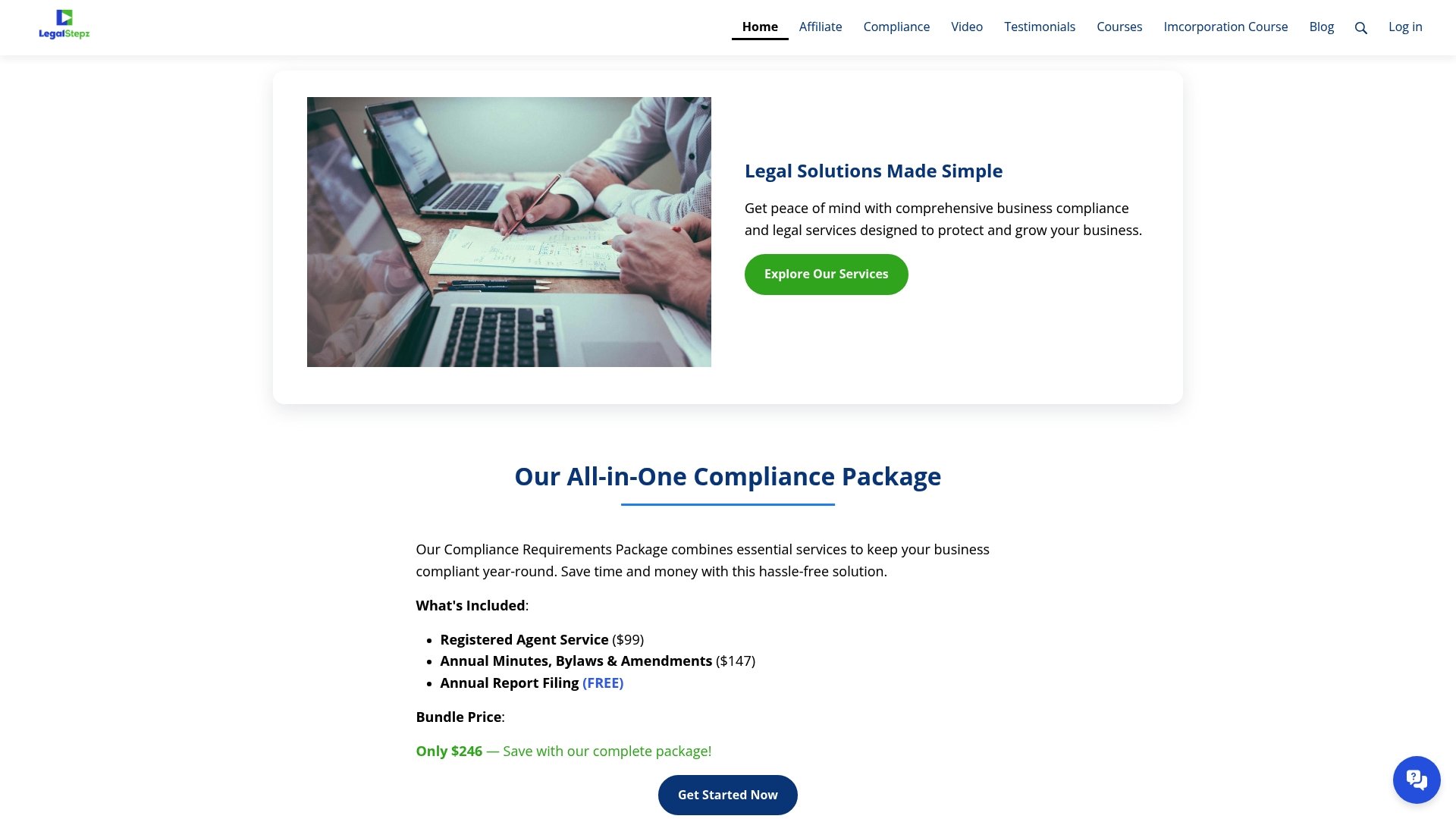
- Our compliance services cover registered agent service, Statement of Information filings, and annual minutes and bylaws, so your entity stays in good standing year after year.
- Our LLC, incorporation, and trademark courses walk you through formation step by step if you'd rather handle the process yourself first.
- Check your current filing status, then pick the path that fits: have us file it, or learn to file it yourself.
Visit our compliance page to see current services, or browse our course library to get started on your own.
FAQ
What types of business licenses are available in California?
California business licenses fall into several categories: state-level permits like a seller's permit from CDTFA or a contractor license from CSLB, professional licenses issued by Department of Consumer Affairs boards, industry-specific permits like alcohol licenses from ABC or cannabis licenses from DCC, and local business licenses or tax certificates issued by individual cities and counties. Which ones you need depends entirely on your business activity and location.
Can you look up a business license in California?
You can search for permit requirements using CalGOLD, which links businesses to the relevant state, local, and federal agencies based on location and activity. CalGOLD functions as a directory rather than a records database, so it does not store information about existing licenses, meaning you'd contact the issuing agency directly to verify one.
Do all businesses need a business license in California?
Most businesses need some form of license or permit, but there is no single statewide requirement that applies to everyone. Many cities and counties require a general business license or tax certificate under their own authority, separate from any state-level permits tied to your specific industry.
How to check if a business is legitimate in California?
To verify a business entity's standing, search the Secretary of State's bizfile portal, which holds filing records for LLCs and corporations registered in the state. For licensing specifically, such as a contractor license or professional credential, contact the issuing agency directly, since entity filing status and license status are tracked separately.
Sources
- CalGOLD FAQ
- Online registration — registration (CDTFA)
- California Business and Professions Code — licensing by cities
- bizfile California — California Secretary of State